%2Ffit-in%2F250x250%2Fguide_websites%2F14149%2Fimages%2F1711087711040image1.png&w=1920&q=100)
Black Sea Bass Fishing in Morehead City NC
Black Sea Bass Fishing in Morehead City - What to Expect
%2F%2Fusers%2Ff6f454cb-04b3-44f2-9ae1-8ab4c5066fb1%2Fimages%2Fblack-sea-bass-morehead-city-2740.jpg&w=1920&q=75)
Fishing Charter by Captain Jeffrey Gaskill in May
Meet your Captain Jeffrey Gaskill
- Premier Morehead City Fishing Charters


Summary
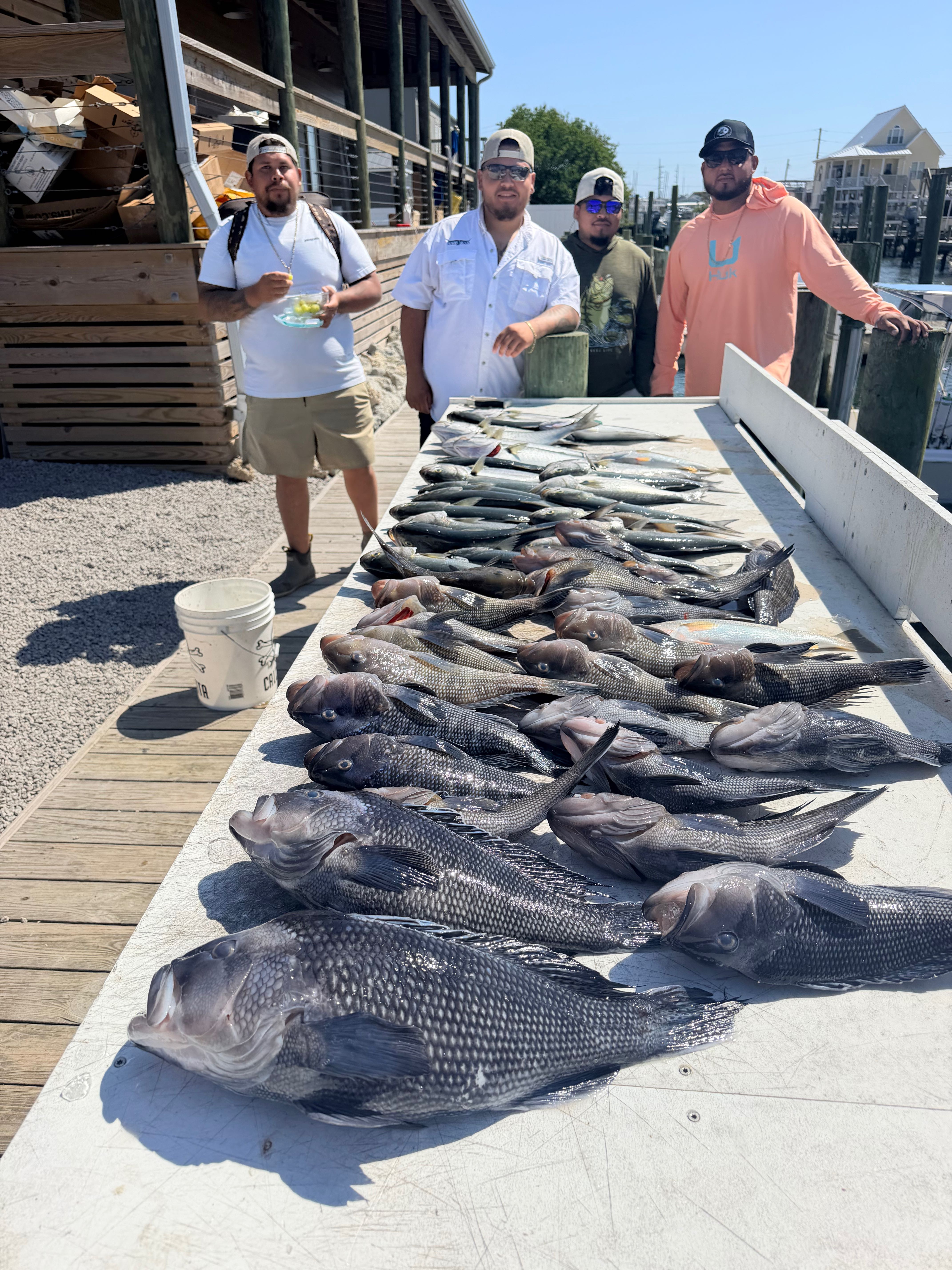
Two young anglers display their impressive black sea bass catch on a Friday in May during a fishing charter in Morehead City, NC. This productive coastal destination offers exciting opportunities for anglers targeting black sea bass, one of the region's most sought-after species. With Captain Jeffrey Gaskill of Swan Point Charters leading the way, visitors experience authentic offshore fishing with expert guidance and local knowledge.
Fishing Charter with Captain Jeffrey Gaskill - Rates & Booking
Captain Jeffrey Gaskill of Swan Point Charters welcomes anglers aboard on Friday, May 30th for an unforgettable black sea bass fishing experience off Morehead City's productive waters. This fishing charter puts you on the decks where the action happens, with Captain Gaskill's local expertise guiding every moment of your trip. Whether you're a seasoned angler or stepping onto a boat for the first time, the charter experience combines technical fishing knowledge with the natural rhythm of coastal waters. To reserve your spot and secure your dates, contact Swan Point Charters directly for current rates and availability.
Highlights of Black Sea Bass Fishing
Morehead City stands as a premier fishing destination along North Carolina's central coast, where black sea bass thrive in nearshore and offshore structures. The waters surrounding this historic port hold abundant populations of these hard-fighting fish, making May an excellent season for productive days on the water. Captain Gaskill positions anglers on prime holding grounds where black sea bass congregate around natural and artificial structures, creating consistent opportunities for multiple hook-ups throughout your charter.
The thrill of battling black sea bass in these waters goes beyond the simple act of fishing - it's an immersion into coastal heritage and marine ecosystems. Each strike delivers the characteristic aggressive runs that make these fish legendary among anglers, while the camaraderie shared between fellow fishermen creates lasting memories. The scenic backdrop of Morehead City's working waterfront adds authenticity to the experience, grounding your adventure in a real fishing community with generations of maritime tradition.
Local Species Insights: Black Sea Bass
Black sea bass dominate the fishing conversation along the North Carolina coast, and for good reason. These stocky, powerful fish inhabit rocky outcrops, wreck structures, and artificial reefs throughout the nearshore environment. Their dark coloration and distinctive dorsal spines make them instantly recognizable, while their aggressive feeding behavior and strong fighting ability create dynamic encounters on light to medium tackle. During spring months, black sea bass become increasingly active as water temperatures warm, positioning themselves near structure where they ambush prey fish and crustaceans.
The offshore environment around Morehead City creates ideal conditions for black sea bass populations. Structures ranging from natural rock formations to strategic artificial reefs establish perfect habitats where these fish establish feeding territories. Understanding these underwater landscapes allows experienced guides like Captain Gaskill to position boats precisely where black sea bass congregate, turning knowledge into consistent action. The creatures themselves display remarkable intelligence, learning feeding patterns and responding to subtle environmental changes - characteristics that challenge and reward anglers willing to match their skill level.
Fishing for black sea bass incorporates multiple techniques depending on conditions and structure type. Vertical jigging remains a proven method, dropping weighted lures into the water column where black sea bass hold. Natural baits like squid or live minnows present irresistible targets, while terminal tackle selection becomes crucial in avoiding snags around dense structure. The tactical element transforms fishing into problem-solving, requiring anglers to adjust presentations based on fish response and environmental feedback. Every cast carries potential; every pause in the descent might trigger the explosive strike that defines black sea bass fishing.
Morehead City's location on the Atlantic coast positions it perfectly for accessing diverse fishing grounds. Protected bays offer calm-water opportunities when offshore conditions become rough, while deeper structures hold larger specimens during specific seasons. The working waterfront atmosphere creates an authentic fishing town experience - docks bustle with commercial activity, charter boats depart regularly, and the maritime culture remains genuine and vibrant. This isn't tourist fishing; it's real coastal heritage where generations of fishermen have pursued their craft.
The spring fishing season brings particular promise to Morehead City's black sea bass fishery. As water temperatures climb toward ideal ranges, fish become more active and aggressive, feeding heavily in preparation for spawning. Charter boats capitalize on this period, often experiencing multiple successful outings with quality fish. Captain Gaskill leverages his intimate knowledge of seasonal patterns, recognizing prime windows and positioning clients accordingly. The combination of seasonal advantage and expert guidance creates optimal conditions for memorable fishing experiences.
Fishing in Morehead City: Black Sea Bass
Black Sea Bass Overview
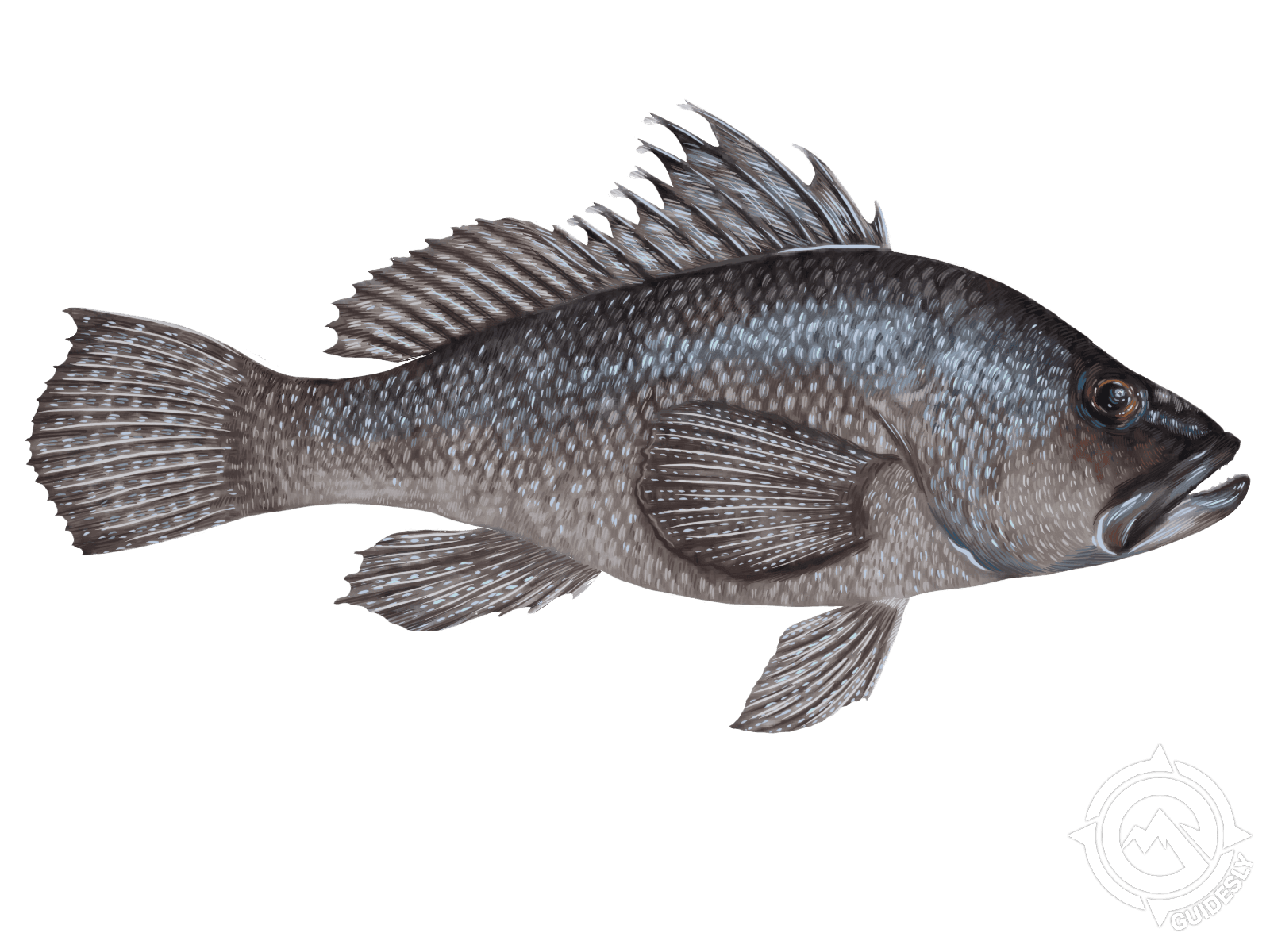
The Black Sea Bass (Centropristis Striata) is a fascinating member of the Serranidae family, belonging to the order Perciformes, and represents one of the most popular gamefish along the Atlantic coast. These plump-bodied beauties are instantly recognizable by their extended pelvic and dorsal fins adorned with white spots and bands, while their gray-to-black coloring with white-centered scales creates a striking appearance in shallow and deep waters alike. What makes this species truly remarkable is its unique biological characteristic: they are born female and can transition to males when they reach 9 to 13 inches in length—a fascinating adaptation influenced by social dynamics within their population. Found abundantly from the Gulf of Maine down to the Florida Keys and throughout the Gulf of Mexico, the Black Sea Bass has become increasingly accessible to anglers in places like Massachusetts and beyond, making it a cornerstone of recreational fishing culture along America's eastern seaboard.
Black Sea Bass Habitat and Distribution
Black Sea Bass thrive in a wide variety of underwater structures and environments, making them predictable targets for seasoned anglers. During summer months, they congregate around sunken wrecks, rocky bottoms, old pilings, and wharves at depths typically less than 120 feet. Juvenile bass prefer estuaries where they can feed safely and avoid larger predators, while adult populations spread across offshore and nearshore reefs. The species' geographic range has expanded dramatically in recent years; historically confined to Massachusetts as the northernmost limit, warming ocean temperatures have pushed populations northward into the Gulf of Maine, where they now thrive in previously marginal habitats. Winter migration patterns see these fish retreating to warmer South Atlantic states and offshore deeper waters. Their adaptability to various bottom structures—from rocky outcrops to sandy flats near jetties and piers—makes them accessible to both shore-based and boat anglers across diverse coastal regions.
Black Sea Bass Size and Weight
The Black Sea Bass typically ranges from 10 to 26 inches in length, with most recreational catches weighing between 2 and 9 pounds. While the average caught fish hovers around 3 to 4 pounds, the species is capable of reaching impressive proportions; the world record stands at an extraordinary 10 pounds 4 ounces, caught in Virginia Beach in January 2000. Larger males, which often exceed 5 pounds, tend to inhabit deeper waters with rocky bottoms and are prized by trophy-seeking anglers. Juveniles are considerably smaller, typically under 10 inches, and display the characteristic brown coloration with a dark stripe running the length of their body. This size progression correlates directly with their sex change; females mature at 2 to 5 years of age and can produce approximately 280,000 pelagic eggs annually, ensuring robust population recruitment.
Black Sea Bass Diet and Behavior
Black Sea Bass are primarily bottom feeders with a diverse diet that reflects their opportunistic hunting strategy. Adult and juvenile populations consume a variety of invertebrates including hermit crabs, rock crabs, squid, and razor clams—prey items they root from sandy and rocky substrates. While predominantly bottom-oriented hunters, they will occasionally strike at suspended jigs, plugs, and lures, making them less predictable than pure benthic foragers. Their behavior changes seasonally and with water temperature; during warmer months, they exhibit increased feeding activity and move shallow to feed and spawn. Social hierarchies play an important role in their biology: the presence or absence of dominant males directly influences whether larger females will undergo sex reversal to fill the reproductive role, demonstrating that this species exhibits complex behavioral ecology beyond simple feeding and survival mechanics.
Black Sea Bass Spawning or Seasonal Activity
The Black Sea Bass displays dramatic seasonal and reproductive behaviors that dictate their availability to anglers. Spawning season triggers remarkable physiological changes in males, who develop brilliant blue coloration and a pronounced hump on their heads—a visual transformation that intensifies their appeal to observant naturalists. Females typically mature between ages 2 and 5, and their reproductive output of approximately 280,000 pelagic eggs per season ensures population sustainability. Summer months (June through September) represent peak feeding and congregation periods near shore, making this the ideal fishing window for most anglers. The Federal Recreational Black Sea Bass season operates during two distinct periods: February 1 through February 28, and May 15 through December 31, with restrictions designed to protect spawning populations. Winter migration pushes populations southward and offshore, requiring anglers to adjust tactics and target deeper, warmer Atlantic waters if they wish to maintain consistent success during colder months.
Black Sea Bass Techniques for Observation or Capture
Method 1: Wreck and Reef Fishing with Medium-Weight Tackle — Equip yourself with a 6 to 8-foot medium-weight rod paired with a reel spooled with 20 to 30-pound fused, monofilament, or braided line. Navigate to known wreck sites, rocky reefs, or old pilings during summer months (late spring through early fall) when bass congregate in these structures. Deploy two-hook bait rigs baited with live squid or fish strips, allowing the rig to settle on the bottom where bass actively feed. This method produces consistently excellent results and allows you to feel the distinctive take of a striking bass before the hook set.
Method 2: Jigs and Lures Around Nearshore Structures — Venture to jetties, piers, and wharves with smaller jigs (1/4 to 1/2-ounce) tipped with squid or soft plastics. Cast near the structure edges and along drop-offs, retrieving with subtle rod movements to trigger aggressive strikes. This technique works particularly well during early morning and evening hours when light penetration changes and bass move to feed. The medium odds for angling success with this species means patience and persistence yield rewards.
Method 3: Estuarine Summer Fishing for Juveniles and Shallow-Water Adults — Explore shallow estuaries during summer months where juvenile populations congregate and larger adults pursue baitfish migrations. A light 6-foot rod with 10 to 15-pound line allows better sensitivity to subtle bottom touches. Cast live minnows or shrimp into 8 to 15-foot depths along creek channels and grass-lined banks. Around Massachusetts and coastal New England, estuaries like those in Cape Cod and Rhode Island offer outstanding access to both juvenile and adult populations, making these regions excellent starting points for developing your Black Sea Bass skills.
Black Sea Bass Culinary or Utilization Notes
The Black Sea Bass earns its reputation as an excellent food fish with firm, white flesh that remains moist during cooking and delivers a mild, slightly sweet flavor profile. The meat is versatile in the kitchen—suitable for baking, pan-searing, steaming, or grilling—and holds structural integrity well due to the species' relatively dense musculature. Culinary experts often recommend leaving the skin on during cooking to prevent drying, and the fish yields substantial fillets even from modest 3 to 4-pound specimens. Nutritionally, Black Sea Bass provides lean protein, omega-3 fatty acids, and essential minerals, making it a heart-healthy dietary choice. From a sustainability perspective, the Federal recreational regulations and seasonal closures demonstrate a commitment to maintaining healthy population levels, meaning responsible anglers can enjoy this species with confidence in its long-term availability.
Black Sea Bass Frequently Asked Questions
Q: What is the best bait for catching Black Sea Bass?
A: Live squid and fish strips consistently outperform other baits for Black Sea Bass, though hermit crabs and razor clams also produce excellent results. Live bait presentations on two-hook rigs deployed on the bottom near wreck structures yield the highest success rates, particularly during summer months when feeding activity peaks.
Q: Where can I find Black Sea Bass near Massachusetts?
A: Black Sea Bass are found throughout Massachusetts coastal waters, from the rocky reefs off the North Shore to the Cape Cod wrecks and southern estuaries. Summer congregation near jetties, piers, and shallow wrecks in 30 to 80 feet of water provides excellent access, while deeper offshore structures hold larger specimens during spring and fall shoulder seasons.
Q: Is Black Sea Bass good to eat?
A: Absolutely—Black Sea Bass ranks among the finest eating fish on the Atlantic coast. The firm, white flesh delivers a mild, slightly sweet flavor that remains moist during cooking. Pan-searing fillets skin-side down produces restaurant-quality results, and the species' nutritional profile—including omega-3 fatty acids and lean protein—makes it a healthy culinary choice.
Q: When is the best time to catch Black Sea Bass?
A: Late spring through early fall (May through September) represents the prime window when Black Sea Bass congregate near shore in accessible depths. The Federal recreational season runs February 1-28 and May 15-December 31, though summer offers the most reliable and productive fishing. Early morning and evening hours typically produce more aggressive feeding than midday periods.
Q: What rod and reel setup do I need for Black Sea Bass?
A: A 6 to 8-foot medium-weight rod paired with a conventional or spinning reel spooled with 20 to 30-pound line provides the ideal balance of sensitivity and power. This setup allows you to feel bottom structure and fish movements while maintaining sufficient strength to land 5+ pound specimens and maneuver in weedy or rocky environments.
Q: How has climate change affected Black Sea Bass distribution?
A: Warming Atlantic waters have pushed Black Sea Bass populations northward beyond their historical Massachusetts boundary into the Gulf of Maine, where water temperatures have risen sufficiently to support thriving populations. This range expansion creates new angling opportunities in previously marginal habitats and represents one of the most visible ecological shifts in Atlantic coastal fisheries over the past two decades.